Rose Garden Patterns: A Strategic Tool for Creative and Operational Success
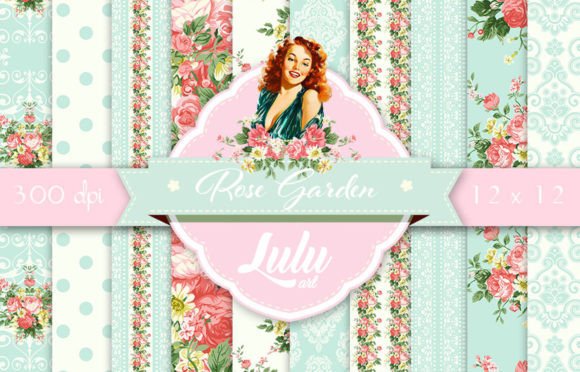
Rose Garden Patterns is a unique set of digital paper sheets designed to support creative, strategic, and practical workflows. These digital files, available in a ZIP format containing 10 high-quality, 12 x 12″ JPEG images at 300 dpi, are not just aesthetic templates—they are tools that can be strategically integrated into various aspects of personal and professional life. Whether you're an entrepreneur, marketer, educator, or hobbyist, understanding how to use these patterns intentionally can lead to better outcomes, more efficient planning, and stronger branding.
Understanding Rose Garden Patterns
Rose Garden Patterns are visual frameworks that mimic the structure and beauty of a well-tended garden. Each pattern is a carefully arranged design featuring roses, foliage, and other botanical elements, offering both inspiration and structure. While they may appear decorative at first glance, their true value lies in their ability to serve as a foundation for strategic thinking and decision-making.
The digital nature of these files makes them highly versatile. Unlike printed materials, they can be easily customized, scaled, and adapted to fit different needs. The 300 dpi resolution ensures they maintain clarity when printed, making them ideal for use in presentations, marketing collateral, educational materials, and personal projects.
Strategic Use Cases for Rose Garden Patterns
Rose Garden Patterns can be strategically applied in several key areas:
- Branding and Design: These patterns can be used as background elements in logos, websites, and marketing materials to create a cohesive and elegant visual identity.
- Planning and Organization: The structured layout of the patterns can help in creating visual calendars, project timelines, or task lists, enhancing productivity and focus.
- Creative Projects: Artists, designers, and educators can use these patterns as a base for illustrations, scrapbooking, or classroom activities, encouraging creativity and engagement.
- Customer Experience: Incorporating Rose Garden Patterns into packaging, brochures, or digital interfaces can enhance the perceived value and aesthetics of your offerings.
- Learning and Education: These patterns can be used to teach design principles, visual storytelling, or even botany, offering a hands-on and visually engaging approach to learning.
By integrating Rose Garden Patterns into your workflow, you’re not just using a design element—you're leveraging a tool that supports intentional planning, clear communication, and long-term vision.
How to Approach Rose Garden Patterns Intentionally
Before relying on any tool, it’s essential to understand its purpose and limitations. Rose Garden Patterns are most effective when used with a clear objective in mind. Here are some practical steps to consider:
- Define Your Goals: Ask yourself what you want to achieve by using these patterns. Are you looking to improve branding, streamline operations, or enhance creativity? Clear goals will guide your application.
- Assess Context: Consider where and how you’ll use the patterns. Will they be part of a digital campaign, a print publication, or a physical product? Understanding the context ensures relevance and effectiveness.
- Customize Thoughtfully: While the patterns are pre-designed, they can be modified to suit your specific needs. Experiment with colors, layouts, and combinations to align with your brand or message.
- Test and Refine: Always test the final output in real-world scenarios. Whether it's a website mockup or a printed brochure, ensure the patterns enhance rather than distract from your content.
- Document and Share: Keep track of how you've used the patterns and share insights with your team or audience. This helps build a knowledge base and encourages consistent application.
Intentional use of Rose Garden Patterns means treating them as a strategic asset rather than a random design choice. When applied thoughtfully, they can become a powerful component of your overall strategy.
Practical Examples and Planning Tips
Let’s explore a few real-world applications of Rose Garden Patterns:
Example 1: Branding for a Floral Business
A small business owner specializing in floral arrangements might use Rose Garden Patterns as a background for their website and social media content. By incorporating these designs into their branding, they create a consistent and elegant visual identity that resonates with their target audience. The patterns also provide a natural backdrop for showcasing their products, enhancing the overall customer experience.
Example 2: Educational Workshops
An educator conducting a workshop on botanical art could use Rose Garden Patterns as a visual aid. Students can trace the patterns, experiment with color, and learn about composition and symmetry. This interactive approach fosters creativity and deepens understanding of design principles.
Example 3: Marketing Collateral
A marketing team launching a new line of eco-friendly products might use Rose Garden Patterns in their promotional materials. The organic, nature-inspired designs align with the brand’s values and appeal to environmentally conscious consumers, reinforcing the message of sustainability and quality.
These examples highlight how Rose Garden Patterns can be tailored to meet specific needs, supporting both creative and operational goals.
Long-Term Value and Risk Considerations
Like any tool, Rose Garden Patterns have their place and limitations. When used without clear goals or context, they can become a distraction rather than a benefit. For instance, applying a rose pattern to a tech-related presentation may not align with the brand’s identity or the audience’s expectations.
Additionally, over-reliance on these patterns without diversifying your design approach can limit your creative potential. It’s important to balance consistency with innovation, ensuring that your use of Rose Garden Patterns enhances rather than constrains your overall strategy.
However, when used deliberately, these patterns offer long-term value. They can be reused across multiple projects, reducing the need for constant reinvention and allowing you to focus on what truly matters—your goals, your message, and your audience.
Conclusion
Rose Garden Patterns are more than just beautiful designs—they are strategic tools that can support your creative, operational, and communicative efforts. By understanding their purpose, applying them intentionally, and considering their broader implications, you can unlock their full potential.
Whether you're building a brand, planning a project, or enhancing your creative process, Rose Garden Patterns offer a unique opportunity to blend aesthetics with strategy. With the right mindset and approach, they can become an invaluable part of your toolkit, helping you achieve better results and make more informed decisions.